 FullOfAgents
How does an AI agent loop actually work?
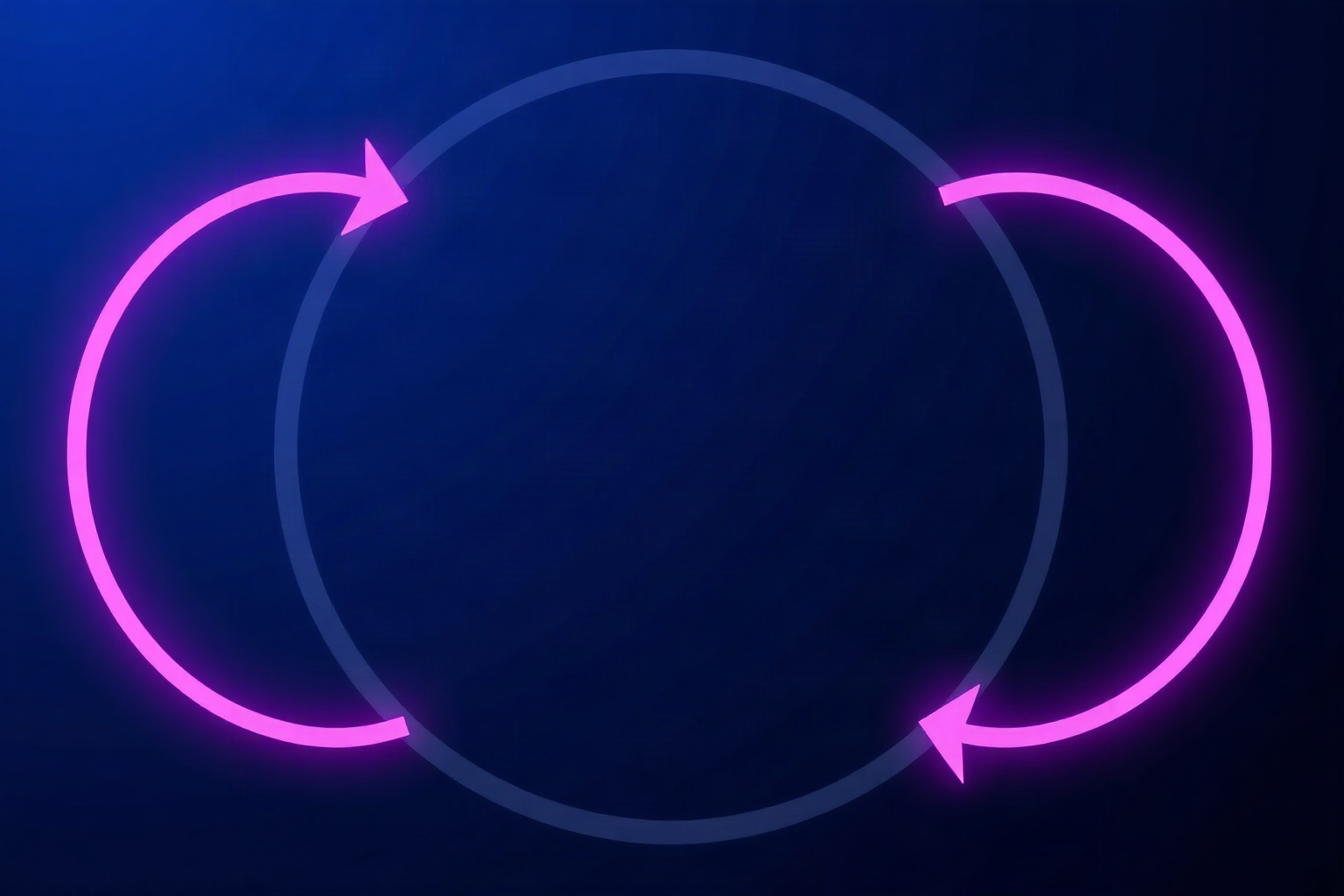
The basic cycle
A common agent design runs a loop. The model receives the goal and current context, decides on the next action, that action runs, and the result is fed back into the next step. The loop repeats until a stopping condition is met.
This structure is sometimes summarized as observe, plan, act, and check. The exact names vary between frameworks, but the shape is similar.
Tools inside the loop
On each turn the model can choose to call a tool, such as searching, reading a document, or running a calculation. The tool returns a result, which becomes part of the context for the next decision. Giving the model a small, well-described set of tools usually works better than a large, vague one.
Stopping and limits
Without limits, an agent can loop indefinitely or repeat mistakes, so builders add stopping conditions: a maximum number of steps, a budget, or a check that the goal is complete. Clear stop rules are a practical safety feature, not an afterthought.
Common questions
Why do agents sometimes get stuck in a loop?
This article is general educational information, not technical, legal or business advice. AI agent capabilities, tools and costs change quickly, so verify current details and check important output before relying on it.
← All agent guides