 FullOfAgents
How do you tell whether an AI agent is actually working?
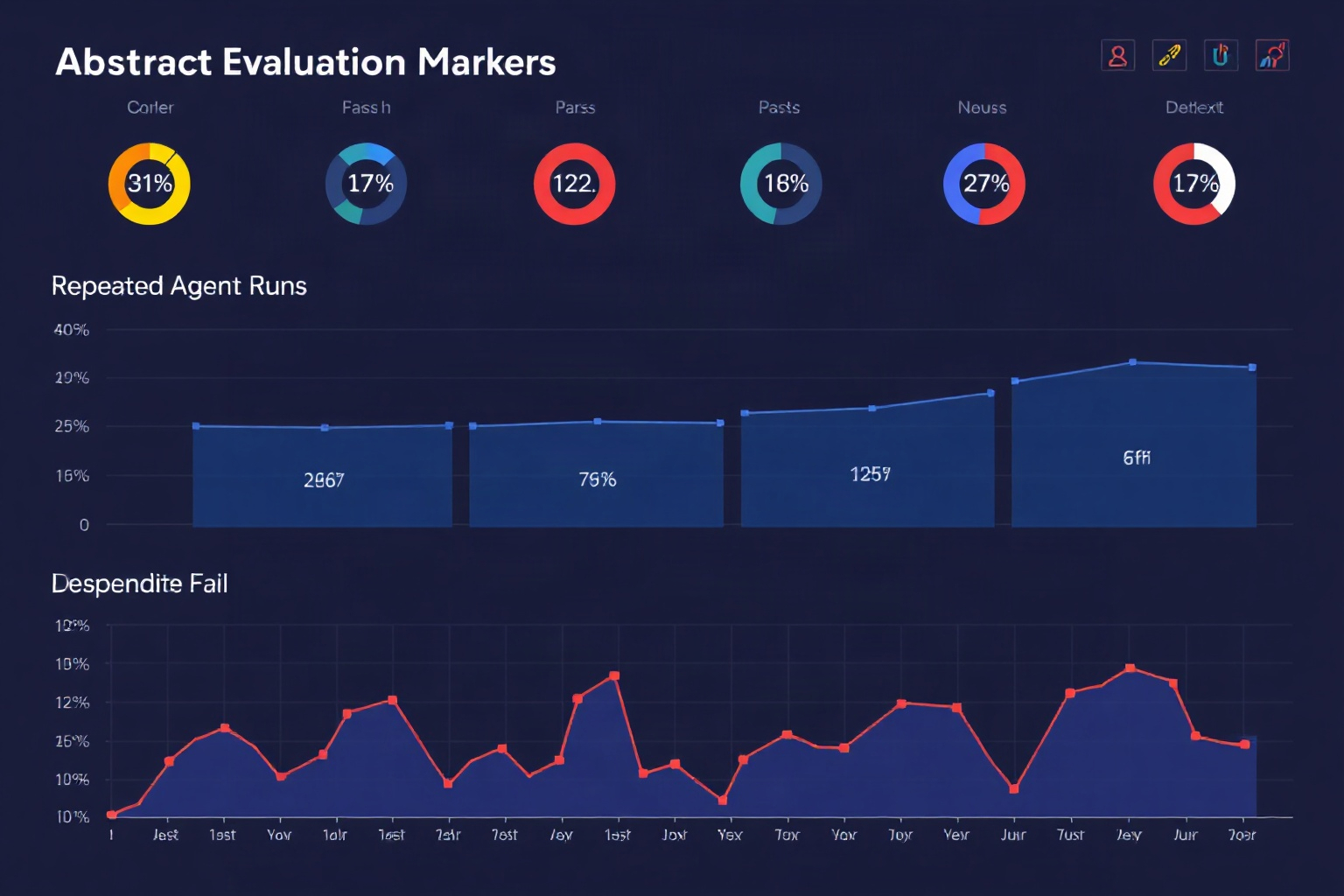
Build a set of real tasks
The most practical evaluation is a collection of real example tasks with known good outcomes. Running the agent against the same set after every change shows whether it is improving or regressing, rather than relying on a single impressive demo.
Measure more than one thing
Useful dimensions include whether the task was completed, how many steps it took, how often a person had to correct it, and the cost per run. A single success rate hides a lot; a small set of complementary measures gives a clearer picture.
Watch for silent failure
An agent can return a confident answer that is wrong. Evaluation should include cases designed to catch that, and real use should log enough to spot it later. Measuring only the cases where the agent looks good is how silent failures survive.
This article is general educational information, not technical, legal or business advice. AI agent capabilities, tools and costs change quickly, so verify current details and check important output before relying on it.
← All agent guides