 FullOfAgents
What is the difference between webhooks and polling?
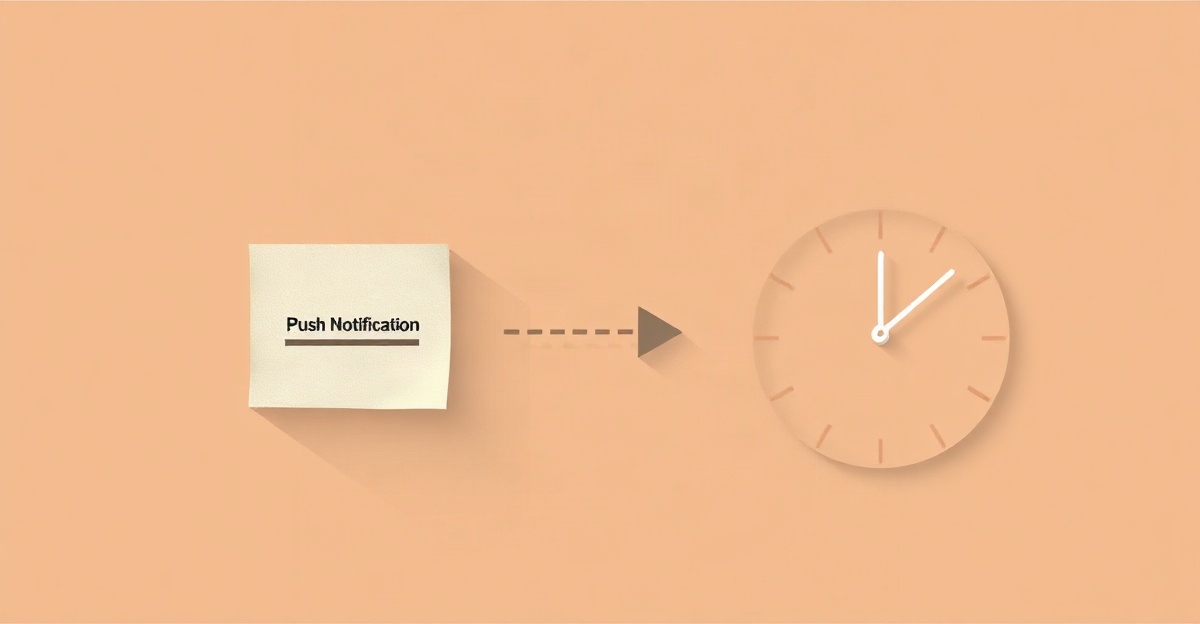
Webhooks: a real-time push
A webhook sends data to you the instant an event happens. The source service pushes a notification to a URL you provide, so there is no waiting and no repeated checking. Reach for webhooks when you need an immediate reaction to an event.
Polling: regular checking
Polling means your automation repeatedly asks whether there are updates at a set interval, such as every five minutes or hourly. It is slower and uses more resources, but it works with any service that exposes an API. Use polling when webhooks are not offered.
Which one to choose
Webhooks are usually better when available, because they are faster and cheaper to run. Some services only offer polling, which is fine for non-urgent tasks. If you find yourself polling many times per minute for high-volume data, move to webhooks or a native integration to avoid hitting rate limits.
Check the service API documentation first. If webhooks are listed, use them. If not, polling works, but expect a short delay between when something happens and when your automation reacts.
Common questions
Is polling bad practice?
Can I use both in one workflow?
This article is general educational information, not technical, legal or business advice. Automation tools, APIs and their pricing change quickly, so verify current details and check important output before relying on it.
← All agent guides